In the lab
Research that finds its way into the advice.
Not everything here is for sale. Some of it runs the firm, some of it is a prototype being tested against a real problem, and all of it exists because building a thing is the quickest way to learn where it breaks. The lab also runs AI-assisted engineering on itself: agents carry much of the volume, while the architecture, the approvals and the release stay with one accountable person.
Status labels are literal
a prototype is a prototype
IntelligenceIn use at VanDien
VanDien Signal Desk
The information that matters, as it happens, with its source attached.
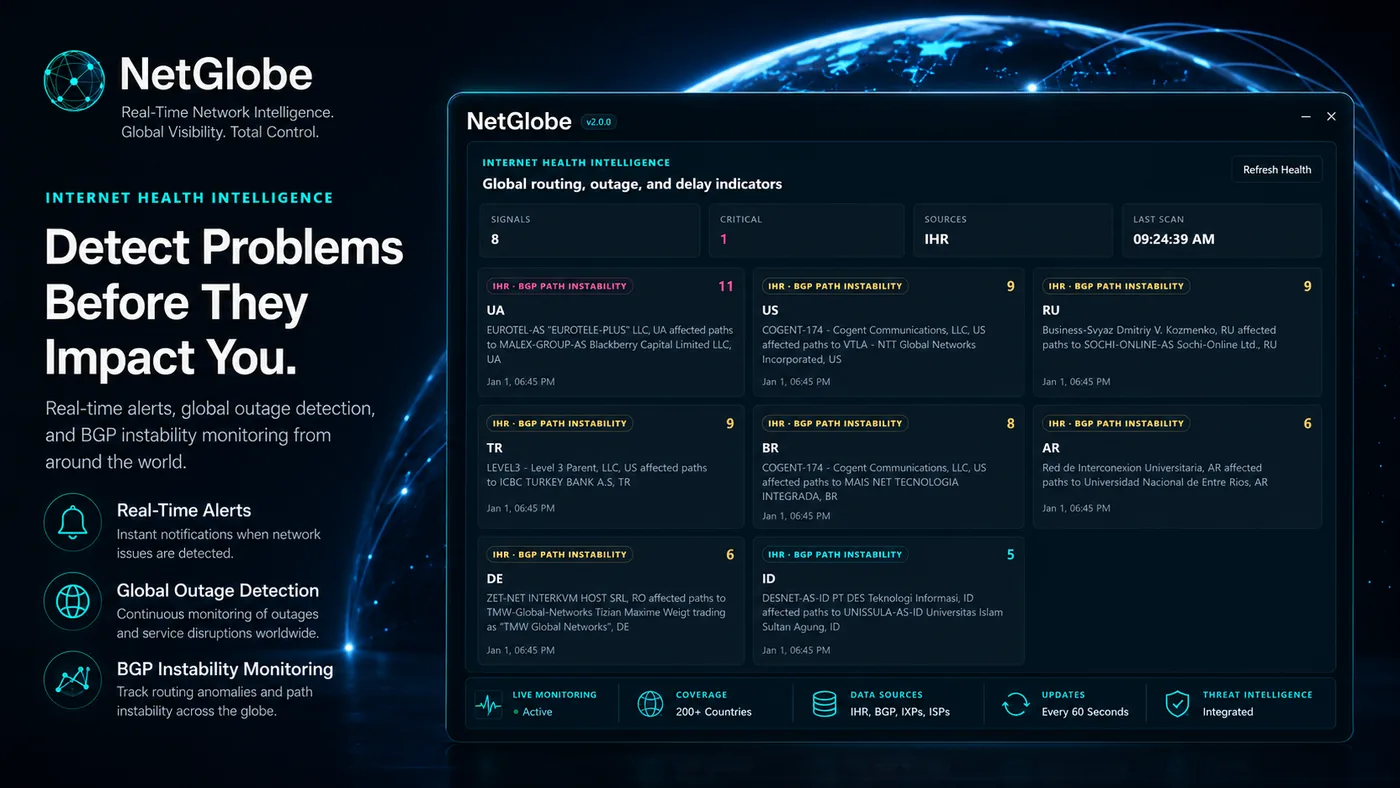
An intelligence and data platform that captures relevant findings in real time: actively exploited vulnerabilities, SEC cyber-incident filings, vendor security advisories, cloud and SaaS provider status, economic and market data, and the reporting around all of it. When a provider goes down or a flaw in widely used software is being exploited, the firm is already reading about it before anyone has to ask.
Every finding carries its source and the time it was read, and the ranking is rule-based. An AI summary is available and off by default, because a finding you cannot trace is not intelligence.
Informs Cybersecurity · Fractional CTO
AI governanceAdvanced prototype
PromptGuard
What staff paste into an AI tool, checked before it leaves the machine.
Each prompt bound for a public or enterprise AI service is evaluated on the device against the firm’s policy, then allowed, flagged, redacted or blocked. Redacted values can be restored in the reply, so the work still gets done without the data leaving. For a regulated firm that is a data-loss question and a recordkeeping question at the same time. It is deliberately narrow: no system-wide traffic decryption, no keystroke logging, and no language model running in the background to make the call.
A small number of investment firms are invited to shape it as design partners, ahead of any general release.
Informs AI strategy · Alternative investments
Agentic AIRunning in the lab
HomeOps
Letting an AI agent operate infrastructure without handing it the keys.
A Model Context Protocol control plane that sits between AI agents and the systems they are asked to run. The agent never receives a shell, a password or an administrator account. It gets a short list of narrow, typed actions, each rated for risk; anything that changes state waits for a person to approve it, and every call is written to an append-only audit log.
It runs against the lab’s own network and servers, and it is the working basis for how we advise clients on giving agents real access to real systems.
Informs AI strategy · Cybersecurity
Private AIIn development
Meeting Copilot
Meeting transcription and notes, designed around what never leaves the device.
A meeting assistant for macOS, with a Windows version under way, built as a working study in private AI architecture. Transcription runs on the device. A local-only mode keeps every step on the machine, and when a cloud model is permitted it receives only the question and a short window of context, never the whole meeting.
Audio is not stored, retention is set per meeting, and a verification step rejects any quotation that does not appear in the transcript.
Informs AI strategy